
Renewable energy finance

Capital aligned with renewable energy development

Fundwise helps project owners connect development, revenue and operating requirements to an appropriate capital strategy.

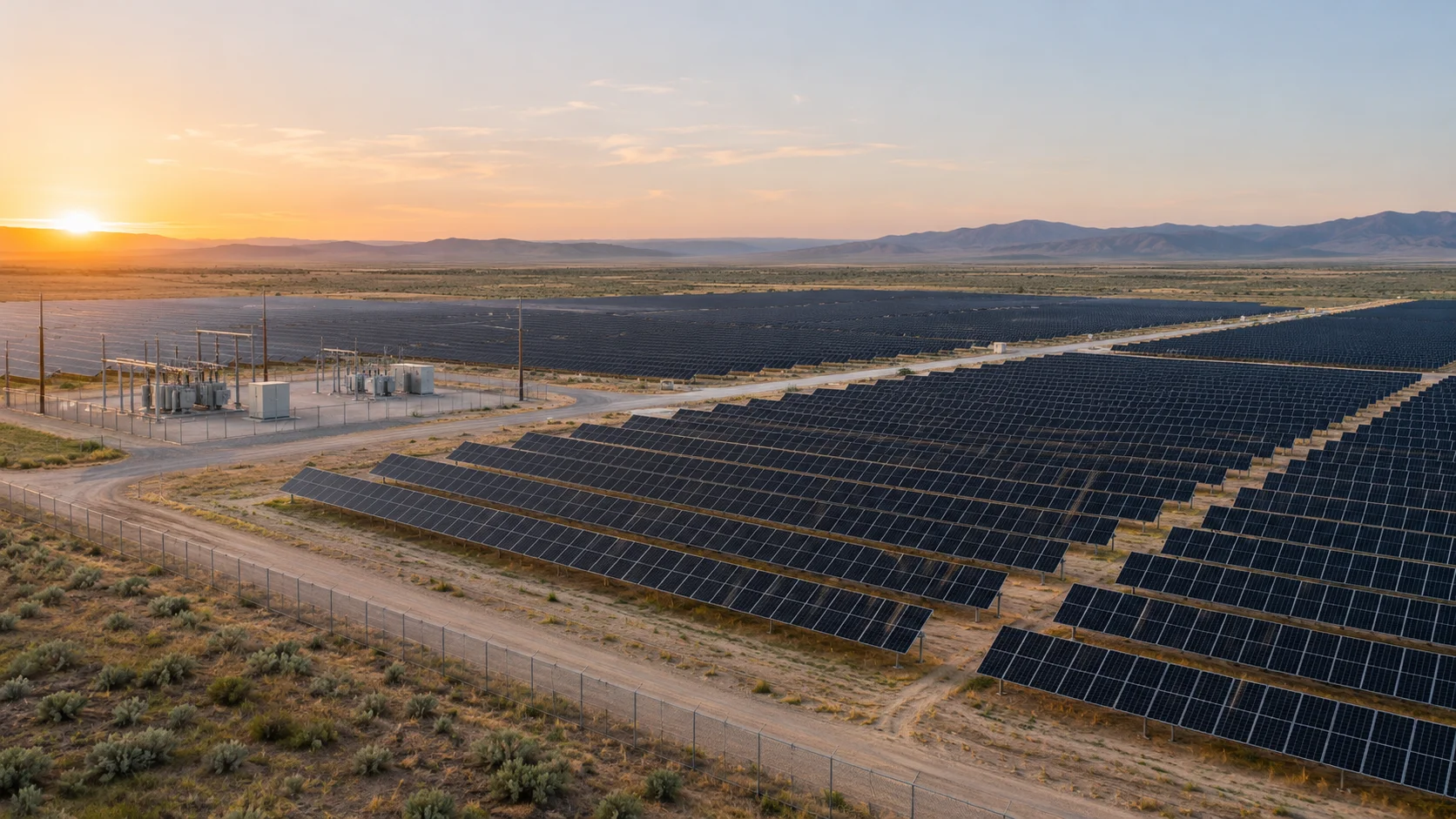
Representative utility-scale ground-mounted solar
Representative sector imagery. Not a completed Fundwise project.
Explore the opportunity

Where will the project's revenue come from?

Choose a situation to see how the relationships, evidence and next decision change.

Onsite energy agreement

Generation, customer consumption and contractual payment are different measures. The finance case needs to reflect the delivery point, customer obligations and actual energy-use pattern.

The next decision

Separate project revenue from the customer's potential utility savings.

Discuss renewable energy finance
What we assess
  • Load, generation and metering
  • Payment, credit and performance terms
  • Environmental attribute allocation
Commercial relationships

Energy use and payment are different relationships

Energy deliveryContractual payment
Energy assetDefined delivery point
Site customerActual consumption and obligations

Energy delivery / Contractual payment / Energy asset → Site customer / Site customer → Energy asset

Conceptual relationships; actual terms and operating conditions govern.

Community solar

The revenue model depends on the programme, utility settlement and subscriber arrangements. Eligibility and bill-credit mechanics are specific to the market.

The next decision

Evaluate programme exposure and customer obligations with the asset.

Discuss renewable energy finance
What we assess
  • Programme and utility framework
  • Subscriber acquisition and retention
  • Billing credits, collections and fees
Commercial relationships

Credits and subscriptions follow programme rules

Programme relationshipAllocation rules
Shared generationEligibility to verify
Programme / utilityCredit and settlement rules
SubscribersParticipation and billing

Generation / Programme rules / Subscribers

These are commercial arrangements, not dedicated electrical connections.

Conceptual relationships; actual terms and operating conditions govern.

Market sales

Market revenue changes with the price, location, production profile, curtailment and available commercial arrangements. A forecast is not a contracted floor.

The next decision

Test downside revenue and operating assumptions before assigning financing value.

Discuss renewable energy finance
What we assess
  • Delivery location and market access
  • Price, capture and curtailment exposure
  • Any actual hedge or off-take terms
Commercial relationships

Delivery and settlement expose different risks

DeliverySettlementPrice / curtailment
GenerationLocation and production
Sale / settlementAvailable commercial arrangements
Market receiptsPrice and curtailment exposure

Generation / Settlement / Receipts

Conceptual relationships; actual terms and operating conditions govern.

Project revenue, generation and customer utility savings are different measures. No incentive eligibility, tax benefit, financing commitment or fixed return is inferred.

Further considerations

Important context
Routes to revenue are alternatives to evaluate, not cumulative promises. Selecting a route does not establish eligibility or contract availability.

Understand the route to revenue

Renewable energy finance needs to reflect the way a project is developed, earns revenue and performs over time. Fundwise helps project owners connect those requirements to an appropriate capital strategy.

Solar is a principal focus, alongside associated storage and other suitable renewable energy opportunities. We consider the commercial and technical evidence together, from early development through construction and operation.

An onsite energy agreement, a community solar programme and a sale into an electricity market expose a project to different risks. Revenue depends on more than forecast generation: delivery, credit, curtailment, settlement and the terms of the relevant agreements all matter.

We assess those drivers and their implications for the proposed capital structure. Where environmental attributes or incentives are included, their ownership, eligibility, timing and transfer conditions require separate verification.

Onsite

Delivery point, customer consumption and contractual payment.

Community

Programme eligibility, utility settlement and subscriber arrangements.

Market

Location, production, price exposure and commercial terms.

These routes are alternatives to evaluate, not cumulative promises.

Finance the right stage

Early development capital supports work that may not lead to a completed asset. Construction capital depends on an executable delivery plan and the conditions for drawing funds. Operating finance depends on the asset’s contracts, condition and demonstrated or supportable performance.

We help map the capital requirement across those stages and identify the work needed for the next decision. Acquisitions and portfolios also require a clear view of which risks are shared and which remain specific to each asset.

Bring the commercial pieces together

  • Project ownership, site rights and the structure of the contracting parties.
  • Revenue arrangements and counterparty obligations.
  • Construction scope, procurement, programme and completion requirements.
  • Operations, maintenance, warranties and replacement assumptions.
  • Financial forecasts, downside scenarios and funding conditions.
  • Relevant tax and incentive questions for specialist review.

Keep performance and savings distinct

Energy production, project revenue and a customer’s electricity savings are different measures. A system can generate the expected energy while delivering a different economic outcome because of timing, tariffs, contracts or operating conditions.

For storage, the assessment also needs to reflect charging costs, losses, degradation and dispatch rights. These details should remain visible in the financial case and commercial agreements.

A finance strategy grounded in the asset

We work towards a proposal that explains the opportunity, the remaining risks and the conditions required for capital. The availability of financing, incentives and any particular commercial structure depends on the project and applicable requirements.

The next conversation

Let’s develop
what comes next.